
Scancot is a series of composite materials developed for bearings, bushings, slide rails and other sliding applications in industrial, offshore and marine applications. The materials combine fiber reinforcement, thermoset plastic and solid lubricants to achieve high load-bearing capacity, low friction and good wear properties.
The Scancot range includes materials developed for different requirements in terms of load, temperature, friction, chemical resistance and operating environment. The materials can be used in both dry and lubricated applications, depending on the selected grade.
Scanco delivers both semi-finished and fully machined components according to drawings or 3D models.




Choose the right Scancot material
The Scancot series consists of composite materials developed for various bearing, sliding and wear applications. The right material depends on factors such as load, temperature, friction, chemical environment, lubrication and whether the component will be used in a marine or industrial environment.
The overview below shows the most important applications for the different Scancot materials.
| Material | Primary application | Typically when you choose it |
|---|---|---|
| Scancot L2 Marine | Marine bearings, rudder bearings and pintle bearings | High load and operation in seawater |
| TriboTex 3 | Plain bearings and bushings | Moderate to medium loads |
| TriboTex 7 | Industrial bearings and bushings | Versatile material for industrial sliding applications |
| TriboTough 10 | Highly loaded bearings | When high mechanical load is crucial |
| TriboTemp 10 | High temperature bearing | High temperature combined with relatively high load |
| TriboTemp 20 | High temperature components | When temperature resistance is a priority |
| TriboGlide 15 | Self-lubricating plain bearings | Very low friction and dry operation |
| TriboChem 11 | Warehouse in chemical environments | Acids, bases and chemically demanding operations |
| TriboGuide | Guides and plain bearings | Guides, control elements and sliding components |
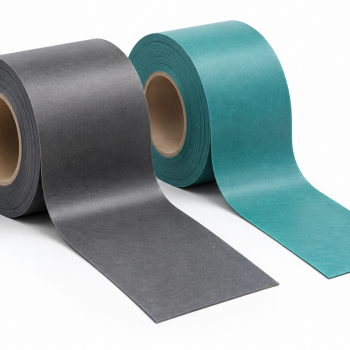
| TriboTape | Anti-slip coating | Thin sliding surfaces, rails and planar components |
| TriboSlide | Maritime glide pads and support pads | Highly loaded planar sliding surfaces in marine environments |
Composite bearings and plain bearings for demanding applications
Scancot composite materials are used for bearings, bushings, slideways, guides and other components with sliding contact. The materials are developed for applications where properties such as high load-bearing capacity, low friction, wear resistance and corrosion resistance are important.
Composite bearings can be an alternative to traditional metallic bearing solutions in many applications. Depending on the material quality and operating conditions, Scancot can be used with water, oil or grease lubrication, and some grades are developed for dry running.
Scancot for marine and offshore
Scancot is used in demanding maritime and offshore applications where components may be exposed to water, high loads, shock, corrosive environments and varying temperatures.
Current applications include rudder bearings, journal bearings, guides, plain bearings and other bearing and sliding components on ships, offshore installations and industrial equipment.
Scancot material qualities
The Scancot series consists of several material grades with different properties and applications. The range includes Scancot L2 Marine, TriboTex, TriboTemp, TriboTough, TriboGuide, TriboSlide, TriboGlide and TriboChem.
Choosing the right composite material depends on factors such as load, movement, temperature, lubrication, mating material and the environment in which the component will be used.
Machined bearings and components in Scancot
Scanco can deliver ready-machined bearings, bushings, slide rails and special components in Scancot according to drawings or 3D models. The machining is carried out in our own workshop, so we can deliver both material and finished components.
If you need help with material selection or sizing, we can assess the application and find a suitable Scancot grade based on current operating conditions.